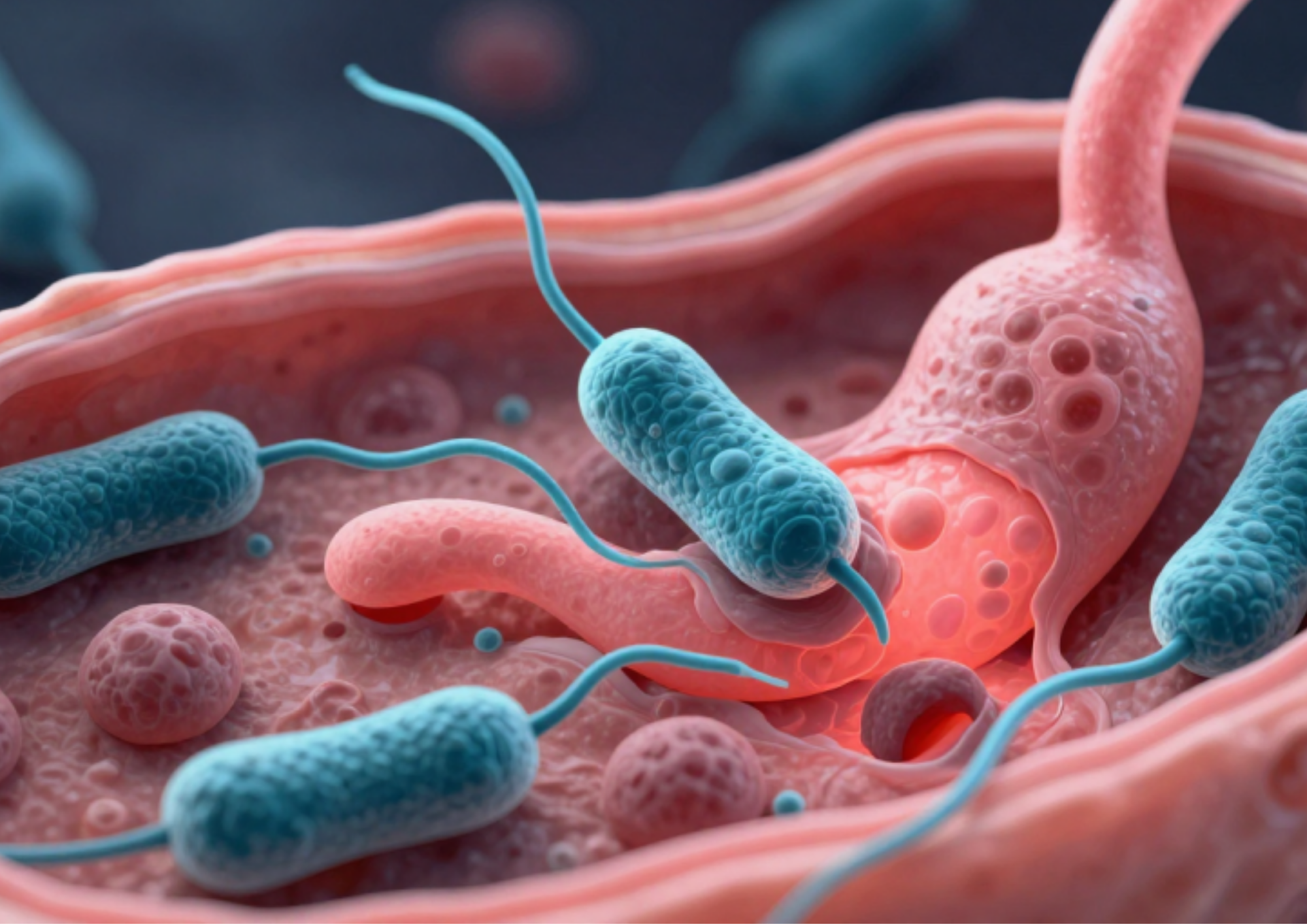
Helicobacter pylori — H. pylori for short — is a spiral-shaped bacterium that lives in the lining of the stomach, and it’s far more common than most people realize: roughly two-thirds of the world’s population carries it. The World Health Organization classifies H. pylori as a Group I carcinogen, and it’s associated with peptic ulcers, gastritis, and mucosa-associated lymphoid tissue (MALT) lymphoma. Many people carry it without ever knowing, while others face real, uncomfortable complications. The good news is that diet and lifestyle play a meaningful role in supporting recovery and helping stop the cycle of reinfection.
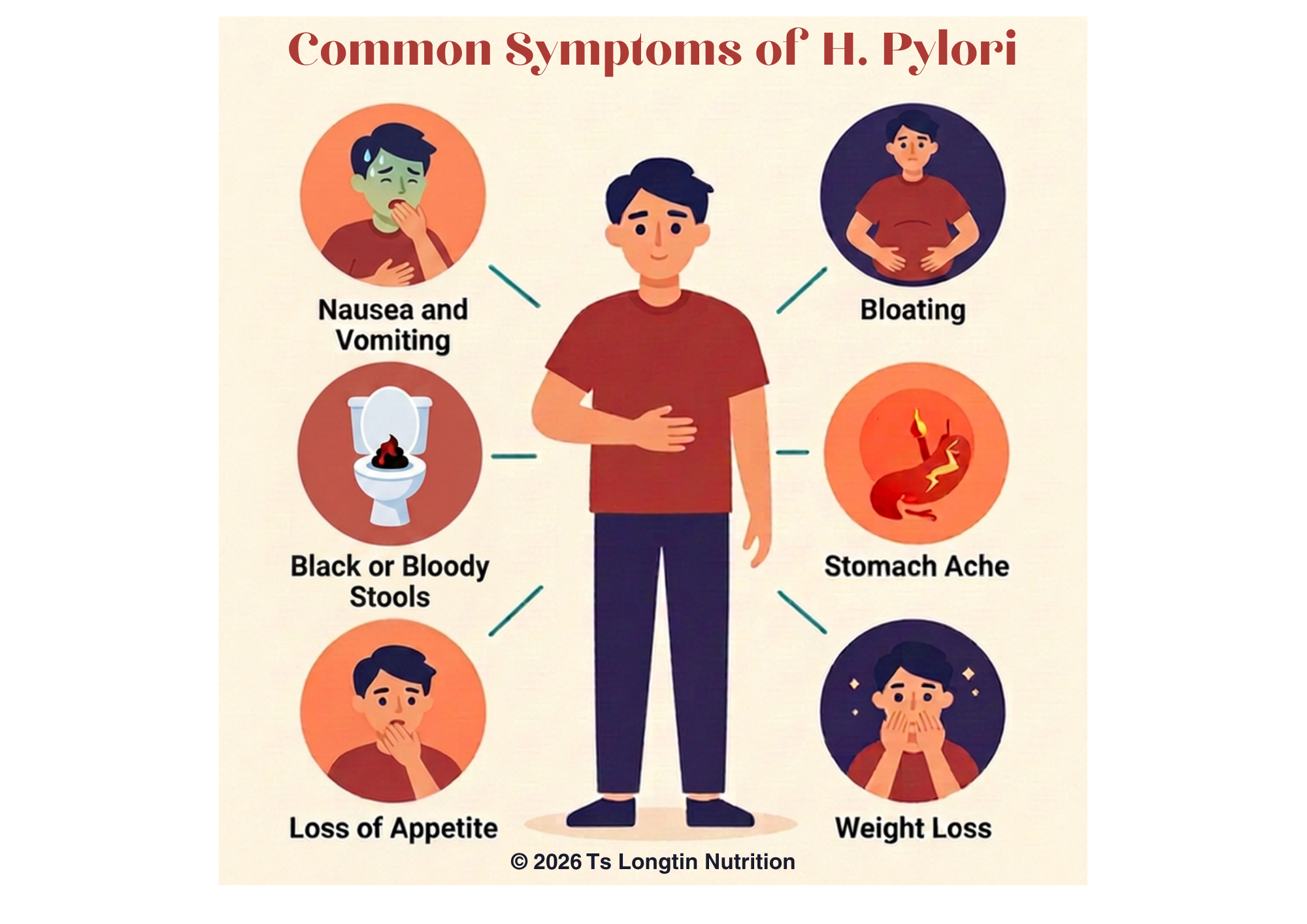
What is H. pylori?
H. pylori’s spiral shape lets it burrow into the stomach’s protective mucus lining, and it actually thrives in the stomach’s harsh acidic environment — which is part of why it’s so difficult to eliminate and prone to overgrowth. The bacteria produce an enzyme called urease, which lowers the acidity immediately around it and weakens the stomach’s lining. That leaves your stomach cells more exposed to acid and pepsin, the body’s own strong digestive fluids, which often results in sores, inflammation, or ulcers in the stomach and duodenum.
H. pylori is also highly contagious, so good hygiene — handwashing, not sharing utensils or cups — matters, especially if infections keep recurring. Left unaddressed, long-term or recurring infection can create lasting nutritional issues by narrowing the range of foods someone can comfortably tolerate, and prolonged recurrence has been linked to an elevated risk of stomach cancer.
Supporting your gut naturally
If you’re in the middle of antibiotic treatment, your stomach is in an acute, inflamed state, and that calls for a gentler approach — simple, low-residue foods while things calm down. It’s also worth saying plainly: if you’ve been prescribed antibiotics, finish the entire course. H. pylori can become antibiotic-resistant, which makes it harder to treat if it comes back.
Once treatment is finished and things settle, the focus shifts to rebuilding a healthy gut microbiome so it’s harder for H. pylori to take hold again. Fermented foods — yogurt, kefir, sauerkraut, kimchi, miso, kombucha — are a good daily habit for restoring beneficial bacteria. Raw honey, especially Manuka, has been shown in studies to inhibit H. pylori growth, and broccoli sprouts (along with cabbage, cauliflower, brussels sprouts, and kale) are rich in sulforaphane, a compound also shown to help decrease H. pylori. Bone broth is another easy swap — used in place of regular broth in soups or rice — that supplies collagen and amino acids like glutamine to help support the gut lining.
Green tea’s catechins (EGCG in particular) may help reduce peptic ulcers and slow harmful bacterial growth, and spices like turmeric, ginger, oregano, clove, cumin, and cinnamon offer real digestive benefits, from supporting stomach acid balance to inhibiting H. pylori itself — an easy, flavorful way to eat toward healing rather than around it. Fiber and prebiotic foods (garlic, onion, asparagus, chicory root, jicama, apples, chickpeas, walnuts) nourish the gut bacteria that help keep H. pylori in balance; aim for roughly 25g a day if you’re a woman or 40g if you’re a man, building up gradually over a few months rather than all at once.
Lifestyle habits matter just as much as food. Cutting back on caffeine, alcohol, and refined sugar — especially on an empty stomach — reduces irritation to an already inflamed lining (if you love your morning coffee, try it with coconut milk and cinnamon instead of going without). A short 10-15 minute walk after meals increases blood flow to the abdomen and supports digestion. Managing stress matters too, since digestion is directly affected by how your body handles it. And it’s worth reducing NSAID use and cutting out nicotine where you can — both have been shown to impair healing and increase the risk of ulcers.
Sponsored — this section contains a referral link to my Designs for Health practitioner store. If you purchase through it, I may earn a commission at no extra cost to you.
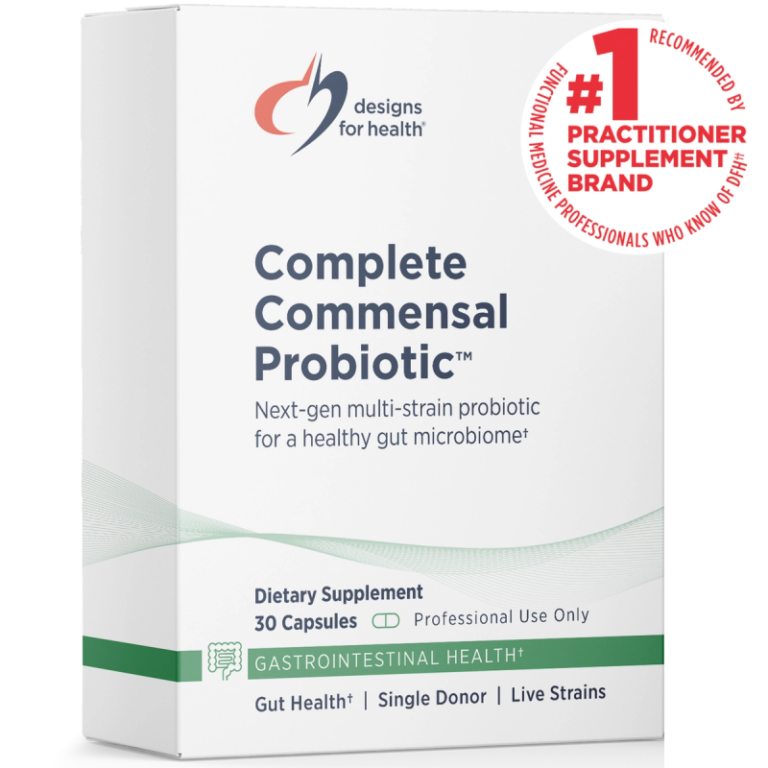
Complete Commensal Probiotic™
Next-gen multi-strain probiotic for a healthy gut microbiome — a single super donor-sourced blend of five native anaerobic keystone commensals designed to re-colonize, cross-feed, and restore microbiome balance from the foundation up. Gut Health | Single Donor | Live Strains. One of the products I personally recommend to clients.
Want to learn more?
Check out my FREE H. pylori guide.
Leave a Reply