Welcome to my new blog series on whole food. This series will explore the significance of choosing whole food for your health, energy, and long-term well-being. It aims to inspire you to embrace whole foods by providing practical cooking and time-saving suggestions, along with delectable whole food recipes that you can confidently create. No prior experience or specialized equipment is required.
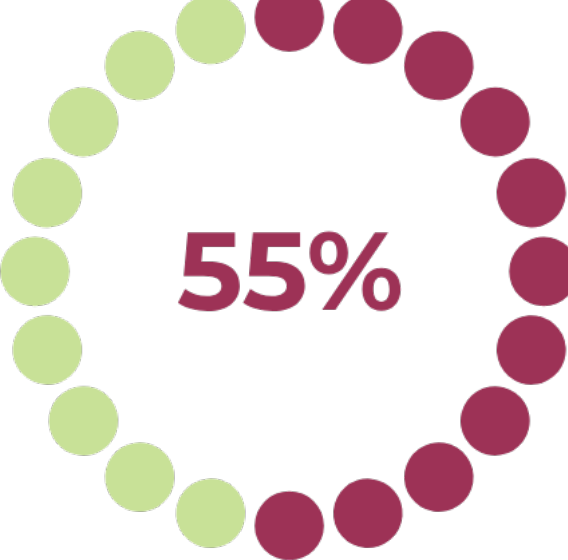
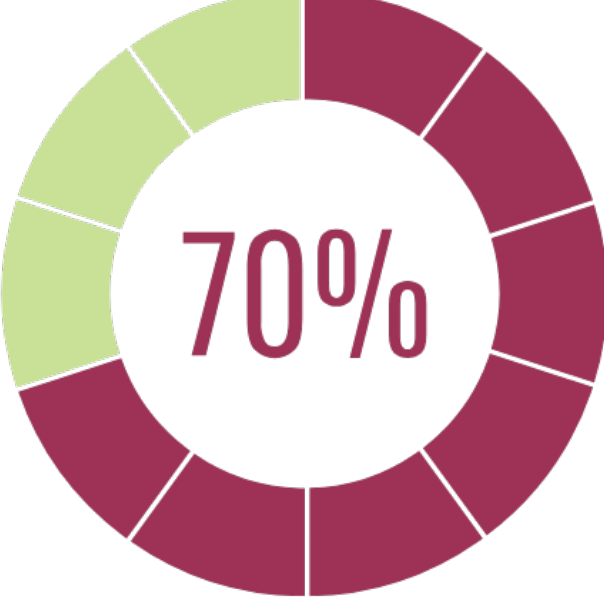
Currently, over 55% of daily calories consumed by individuals in the United States originate from ultra-processed foods, which now constitute over 70% of the products available in traditional grocery stores (3). Those statistics shock even me! Consequently, rates of preventable diseases are on the rise, and the associated costs of treating chronic illnesses are substantial. Poor diet and lifestyle are believed to be a contributing factor in many of the leading causes of premature disability and death.
Standard American Diet (SAD) vs. Whole Food Eating Patterns
Let us compare some significant points regarding the SAD diet and whole food dietary patterns.
Standard American Diet:
Processed foods are found to be higher in sodium, saturated fats, and added sugars compared to their minimally processed counterparts, which is associated with increases in the development of heart disease, Alzheimer’s, type 2 diabetes, high cholesterol, and more (4). Significant changes to the gut microbiome have been observed in individuals who consume high amounts of processed foods, which has an impact on how our bodies develop and combat diseases (9). Diets rich in ultra-processed foods are found to be nutritionally unbalanced, resulting in most Americans having poor intake of many essential nutrients for health (5). One of these high-calorie processed foods can replace several whole foods that would provide the body with the necessary nutrients it needs for health.

Whole Food Approaches:
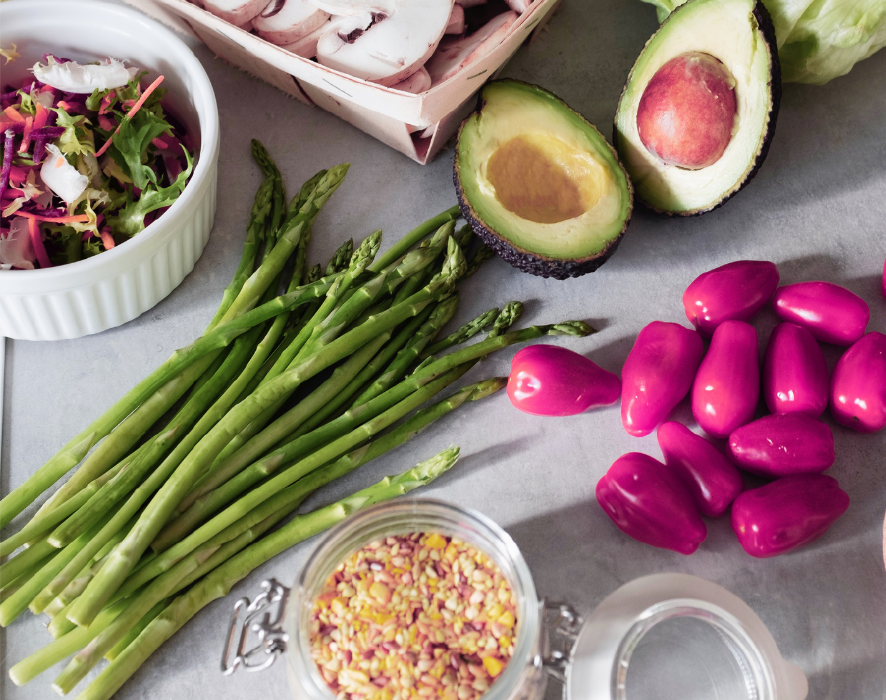
Whole food eating patterns are associated with longer life expectancies compared to processed food habits (2). Increases in nutrients, particularly fiber intake, are observed compared to the current 95% of all Americans who do not currently meet fiber intake needs (7). A higher variety of foods consumed, which naturally increases micronutrient consumption, insulin balance, and gut health (1). Preparing whole food meals at home has also been found to decrease overall calorie consumption without adhering to any specific set of calorie counting controls (8).
Definitions to know
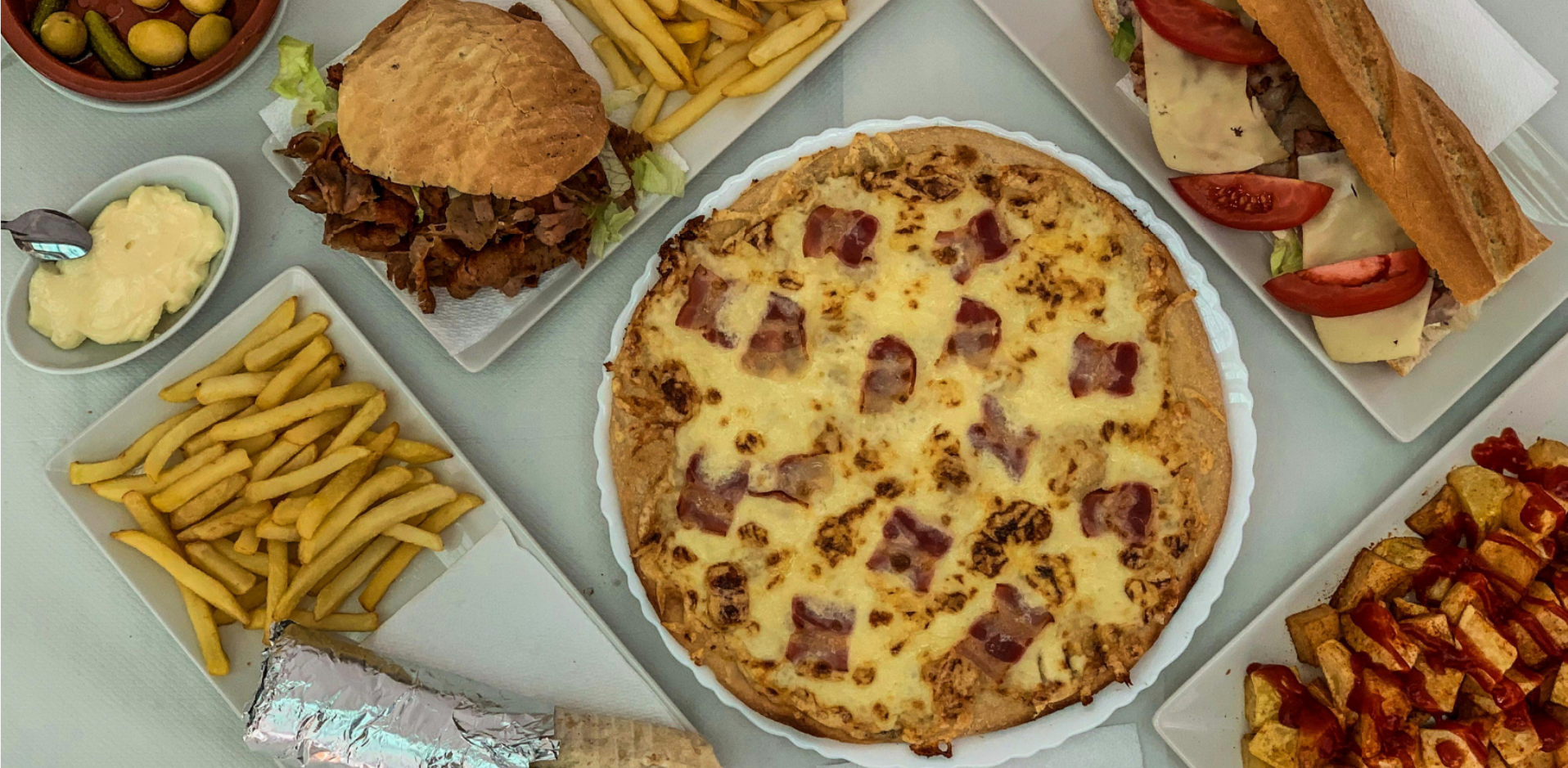
Ultra-processed foods – These are industrially manufactured foods that often include sensory-altering ingredients, contain parts of a whole food (called fractioning), and are cheap to produce, usually with extended shelf life (6). This includes types of processing and ingredients we cannot recreate at home with traditional cooking methods and changes the basic makeup of the food, thereby also changing the way our bodies react to it. Nutrients are lost, and the glycemic index changes in many of these products (5).
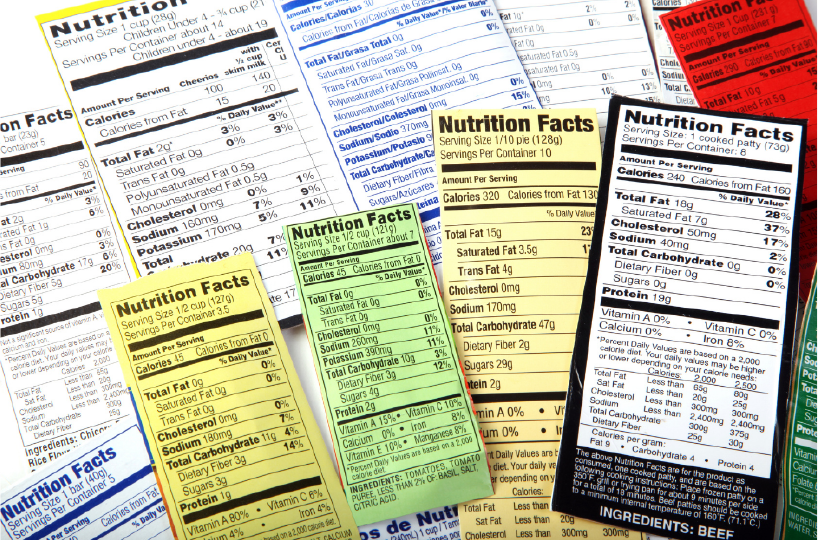
Some examples on an ingredient list would be maltodextrin, soy isolates, guar gum, yellow 5 (also listed as E102 or tartrazine), artificial flavors, emulsifiers, high fructose corn syrup, aspartame, or monosodium glutamate.
Examples: pasta, bread, flour, BBQ sauce, hydrogenated vegetable oil, cookies, cereals, and most lunch meats.
Processed food – These are prepared or altered foods that have added ingredients or have been prepared by using only part of a food, like peeling the skin off or juicing. Food that often resembles the original food but has added sugar, fat, or a preservative to extend shelf life or enhance taste.
Examples: applesauce, tortilla chips, orange juice, yogurt, some canned vegetables, cheeses, and grains like oatmeal.
Minimally processed & whole food – Fresh, frozen, canned, or dried foods that have no added ingredients and have not been significantly altered from their original state.
Examples: fresh cauliflower, whole frozen strawberries, canned fish, raw chicken, dried lentils, wild rice, store-made salsa, frozen stir-fry vegetables.
Choosing a whole food lifestyle is all about picking whole, minimally processed foods most of the time. It’s not about being perfect, but the research shows that prioritizing whole foods can really make a difference in how we feel and stay healthy.
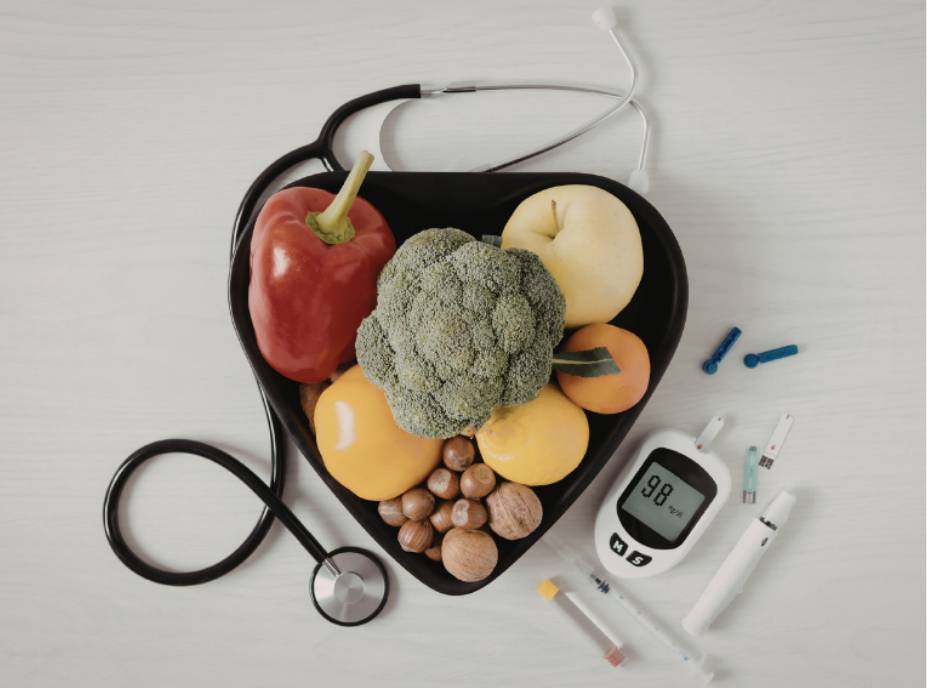
The best part about a whole food lifestyle is that it’s NOT a diet.
There aren’t any strict rules about how much spinach you should eat or when. It’s more about giving your body the good nutrition it needs. Just pick a mix of whole ingredients, fresh fruits and veggies when you can, and the least processed meats and dairy.
Examples of foods in each category
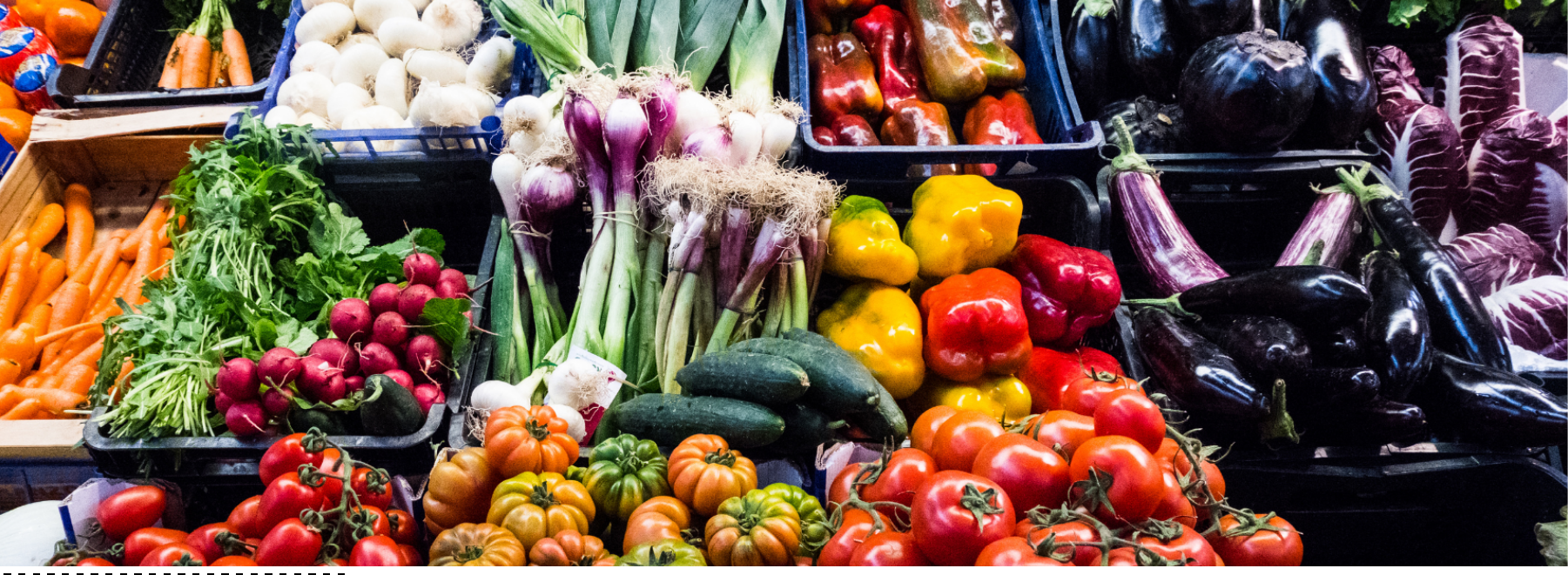
Vegetable: Broccoli, Eggplant, Arugula, Yellow Squash, Red onion, Bell pepper, Tomato, Okra, Carrot, Cucumber, Shallot
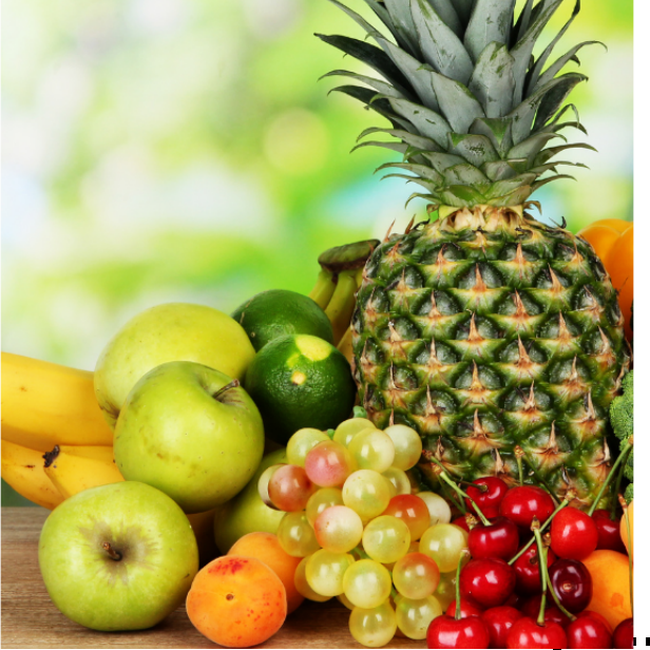
Fruit: Strawberries, Mango, Apples, Bananas, Blueberries, Cherries, Peaches, Pineapple, Kiwi, Lime
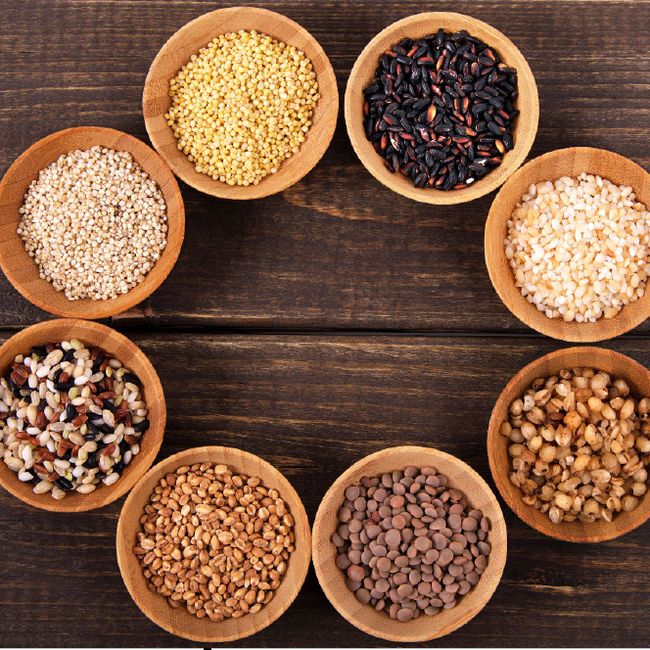
Whole Grain: Farro, Brown rice, Whole oats, Quinoa, Barley, Millet, Corn, Wild rice, Buckwheat, Amaranth
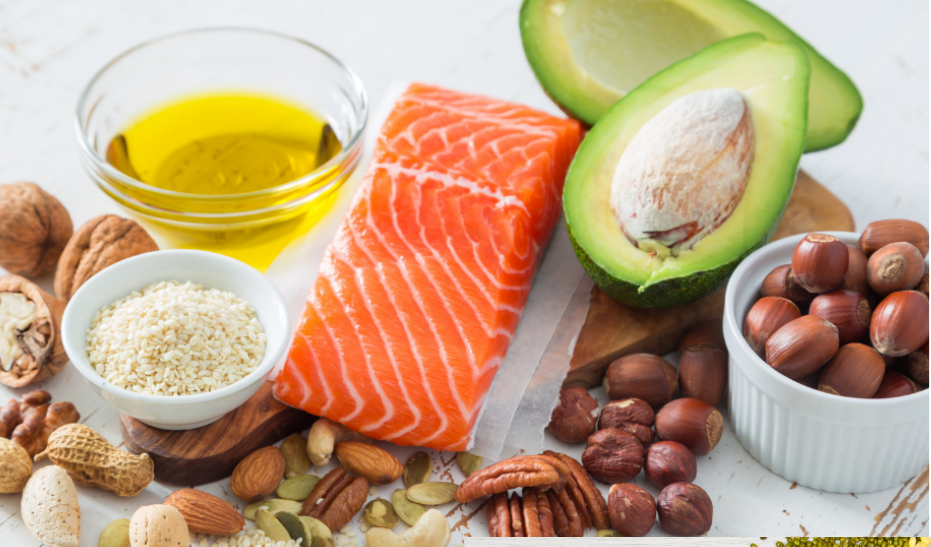
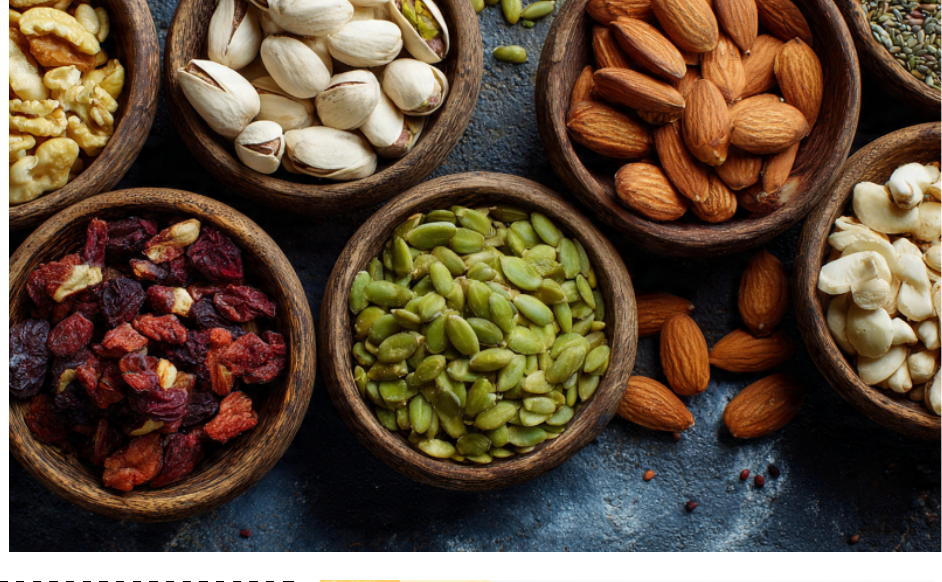
Healthy Fats: Avocados, Olive oil, Raw walnuts, Tahini, Chia seeds, Flaxseed, Hazelnuts, Sesame oil, Most whole food fats
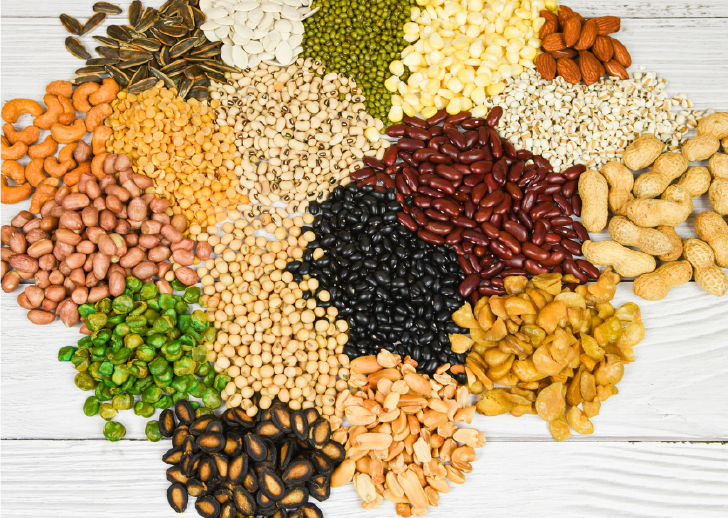
Legumes: Split peas, Red lentils, Garbanzo beans, Adzuki, Beluga lentils, Mung beans, Soybeans, Cannellini beans, Black beans
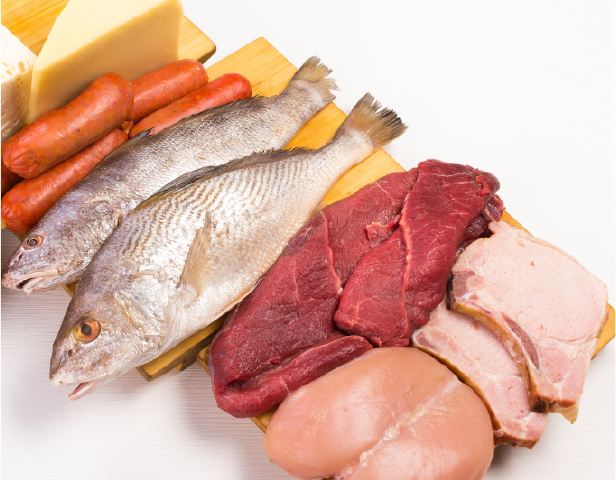
Animal Protein: Chicken, Milk, Lean red meat, Eggs, Salmon, Tuna, Quail, Goat cheese, Bison
…plans, like the Mediterranean Diet, have similar suggestions on how much out of each category to eat, but differ in the specific foods included or add little more in one category or a little less of another category. Every single person is unique, your exact needs may differ from another person for optimal health, but when switching from a processed-dominant to a whole-food-dominant eating pattern that alone creates positive health benefits. To make it as simple as possible to get started, look at this chart. It represents a general suggestion of how much from each category to eat on a daily basis.
Highlights
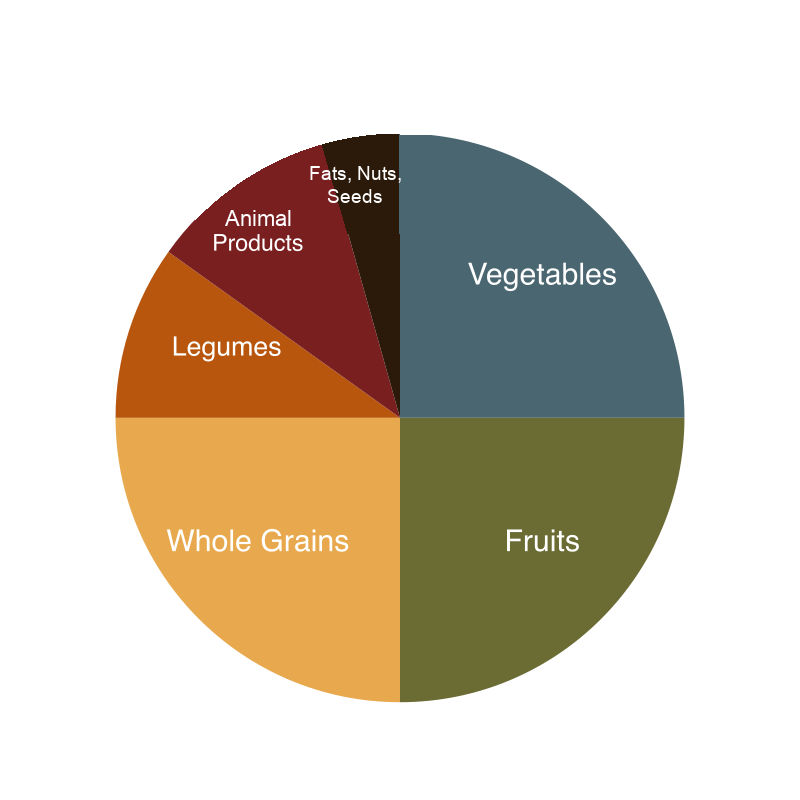
Notice legumes, animal products, and fats may overlap some because they include similar macronutrients of protein and fat. A good idea is to mix and match in this area; for instance, a vegetable lentil soup for lunch and a salmon filet with dinner would nicely complement each other in total needs for the day. This is a guide, not a rule. A vegetarian, for instance, would increase the legumes per day because their intake of animal proteins significantly decreases.
- Consumption of processed foods is linked to increased risks of heart disease, Alzheimer’s, type 2 diabetes, high cholesterol, and negative changes in the gut microbiome.
- Benefits of Whole Food Diets: Whole food diets are associated with longer life expectancies, improved nutrient intake (especially fiber), and better gut health.
- Impact of Home-Cooked Meals: Preparing meals at home from whole foods can lead to reduced calorie consumption without strict calorie counting.
Next up in the series… Simple cooking with fresh vegetables
Want to see a recipe featuring a specific vegetable? Leave me a comment with your choice of vegetable to include in my next recipe.
P.S. — I keep a running, honest list of the supplements and other products I personally use and recommend (and why) on my Recommended Products page, if you’re curious.
References available on request — cites Esquivel 2022, Fadnes et al. 2022, Ferrucci et al. 2025 (Yale School of Public Health), Grotto & Zied 2010, Juul et al. 2022, Monteiro et al. 2019, Quagliani & Felt-Gunderson 2016, Wolfson et al. 2020, and Zinöcker & Lindseth 2018.
Leave a Reply