Welcome back to the series! Last time we talked about what it means to build a whole-food lifestyle — this week we’re getting into the kitchen with the first recipe. Let’s jump into spring with this super simple and fragrant side dish, perfect for a busy weeknight and ready in less time than it takes to boil a pot of water. Kale is a fresh, vibrant, nourishing, and versatile vegetable — today we’re letting it shine.
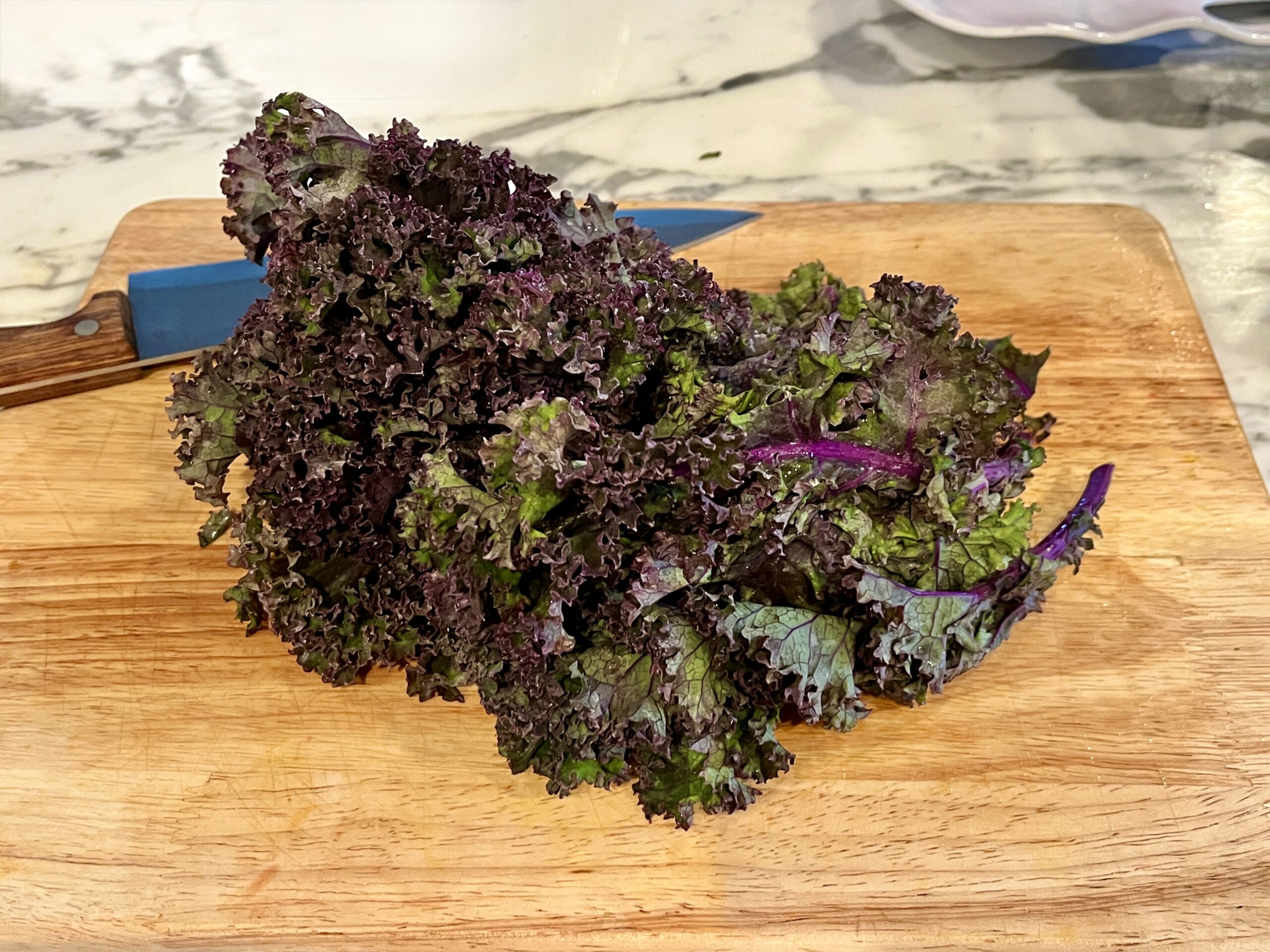
What is Kale?
Kale is part of the brassica family of vegetables, which includes an amazing 3,700 species. These plants are known for being hardy and easy to grow, and they offer numerous health benefits (Montana Team Nutrition, 2021).
Fresh kale is best in the cooler seasons, growing sweeter when the weather hasn’t been too warm. When choosing any type of leafy brassica, look for leaves that are firm — not soft or wilted — and free from cuts or bruises (Montana Team Nutrition, 2021). Fresh kale will keep in your refrigerator crisper for up to two weeks, which makes it cost-effective and convenient to keep on hand.
Why Kale?
Many refer to kale as a superfood due to the amount of nutrients and healthy compounds found in these beautiful leaves. Compared to other vegetables in the brassica family, kale has been found to be higher in B3, B6, B9, copper, zinc, manganese, and iron (Satheesh & Workneh, 2020). The carotenoid lutein isn’t produced by our bodies, but it’s found in the retinas of our eyes — it’s believed to be protective in many eye disorders and diseases, and kale happens to contain the highest amount of lutein of any vegetable (Li et al., 2020). The Association of Accredited Naturopathic Medical Colleges (AANMC, 2024) reports that the mix of nutrients found in kale helps support our detoxification pathways, promotes bone health, has anti-inflammatory properties, and can reduce the risk of chronic illnesses.
Fun Fact: The calcium absorption rate of kale (58.8%) is better than milk (32%). (Satheesh & Workneh, 2020)
Garlic-Infused Kale and Tomatoes
A few minutes of prep time and a quick sauté, and you have a really tasty and healthy side dish that pairs perfectly with fish, chicken, or lamb.
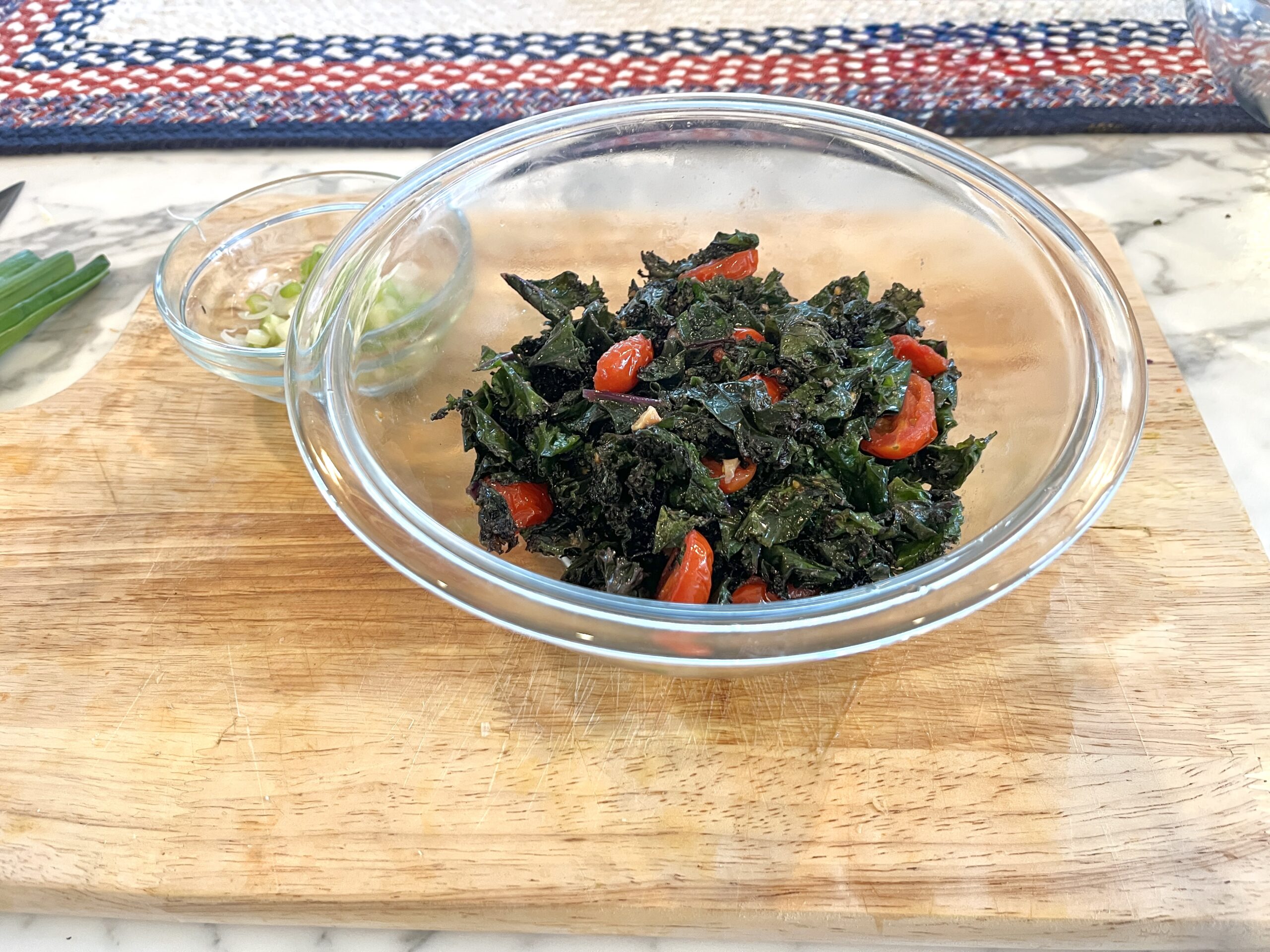
Get the full recipe with ingredients, directions, and nutrition facts below ↓
Garlic-Infused Kale and Tomatoes
Ingredients
Method
- Wash kale, remove the thick rib from the center of each leaf, and chop into bite-sized pieces.
- Chop garlic and slice cherry tomatoes in half.
- Add olive oil to a large sauté pan over medium-high heat.
- When the oil is hot but not smoking, add fresh garlic, garlic powder, and kale. Sauté for 5 minutes, stirring occasionally — leaves will soften and darken.
- Add tomatoes to the pan and continue cooking for another 2 minutes.
- Remove from heat and serve hot. Leftovers keep in the fridge up to 5 days.
Nutrition
Notes
Tried this recipe?
Let us know how it was!Cooking kale this way actually increases the amount of vitamin K, vitamin E, and beta-carotene while maintaining more of the natural vitamin C content than boiling does (Lee et al., 2017). Because vitamin K is a fat-soluble vitamin, the olive oil in this recipe helps increase its absorption into the body (Satheesh & Workneh, 2020). Lutein is also fat-soluble and made more absorbable when eaten with fat and fiber — both present here — making this a great recipe for supporting eye health (Li et al., 2020). High in magnesium, calcium, and vitamin K, kale served with a healthy fat like olive oil helps the gut absorb calcium effectively and can decrease osteoporosis risk (AANMC, 2024).
Quick Review
Eating just 1 cup of this recipe gives you:
- 10% of daily need for B6 (pyridoxine)
- 13% of daily need for B9 (folate)
- 13% of daily need for fiber
- 15% of daily need for calcium
- 18% of daily need for vitamin E
- 20% of daily need for B2 (riboflavin)
- 22% of daily need for vitamin A
- 33% of daily need for manganese
- 83% of daily need for vitamin C
- 245% of daily need for vitamin K
(Cronometer Software Inc., 2026)
Kale takes on the flavors around it really well, and as you can see, it’s an incredibly nutritious vegetable. It’s easy to cook with, keeps its shape well, and doesn’t get slimy when reheated or cooked too long. This recipe is a common go-to in my kitchen — let me know what you think, and whether you’ll add kale to your spring menu.
Next up in the series…
Cooking with groats!
Tell me in the comments: what do you think makes groats a beneficial whole grain?
References available on request — cites AANMC (2024), Cronometer Software Inc. (2026), Lee et al. (2017), Li et al. (2020), Montana Team Nutrition (2021), and Satheesh & Workneh (2020).
Leave a Reply