Welcome back to the series! Last time we talked about spiced-up groats — this week we’re turning up the color with a lentil bowl that’s as pretty as it is nutritious. It’s super versatile and ready in under 30 minutes, perfect for a busy weeknight or a picnic lunch at the park. Plus, it’s packed with protein, so you know it’s both nutritious and delicious.
The Importance of Legumes
Legumes aren’t just a nutritional powerhouse — they’re the cheapest protein source on the planet, averaging 22% protein, the highest protein content of any seed crop (Preserve the Harvest, n.d.). They’re also easy to grow and sustainable, requiring seven times less greenhouse gas to produce than other crops, while leaving behind beneficial soil conditions for the next crop (The Nutrition Source, n.d.).
Chronic illness accounts for 70% of deaths worldwide, and under-consumption of fiber is linked to increases in chronic disease (Didinger & Thompson, 2021). Regular legume consumption has been shown to decrease overall calorie intake and lower rates of diabetes, cardiovascular disorders, and certain cancers (Ganesan & Xu, 2017) — legumes can help lower blood pressure, improve cholesterol, promote gut health, lower inflammatory markers, and even have antimicrobial properties (Alexander et al., 2024).
Legumes contain all essential amino acids except methionine, making them an excellent protein source (Preserve the Harvest, n.d.). They’re high in fiber — a half cup has about 7 grams, roughly 20% of the daily recommended value — plus prebiotic carbohydrates, insoluble fiber, iron, zinc, copper, protein, B vitamins, and phenols. Despite all that, fewer than 5% of people in the US eat any type of legume daily (Alexander et al., 2024).
Why Lentils?
Lentils are the faster, leaner cousin of the bean — packed with the same nutrients but cooked in just a few minutes, no soaking required. Properly sealed and stored in cool, dark conditions, they easily reach a shelf life of over 10 years (Preserve the Harvest, n.d.). They also have the highest phenolic and insoluble fiber content of any legume, giving them a positive effect on chronic illness (Ganesan & Xu, 2017). Lentils have a sodium-to-potassium ratio of 1:30, and a higher protein and lower fat content than other legumes (Alexander et al., 2024).
Fun Fact: There are approximately 20,000 species of legumes. Humans eat about 50 different varieties. (Didinger & Thompson, 2021)
Rainbow Lentil Bowl
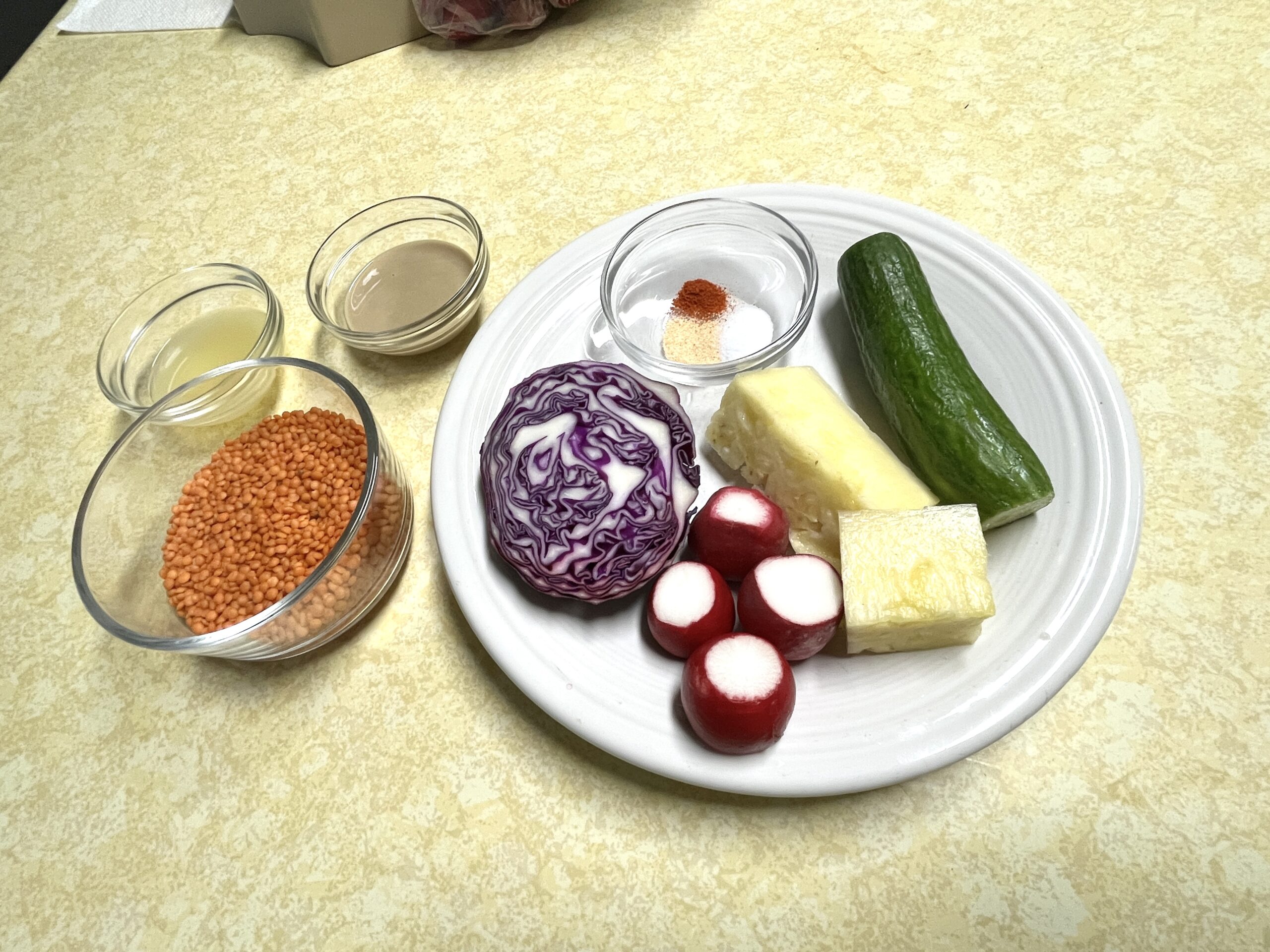
The best part about this recipe is that you can use whatever fresh veggies you happen to have — try picking one of each color, and if fruit is in season, throw it in too. Dinner is always exciting with these protein bowls because each one is a unique creation, and you’ll always end up with a healthy, satisfying meal without stressing over the exact ingredients.
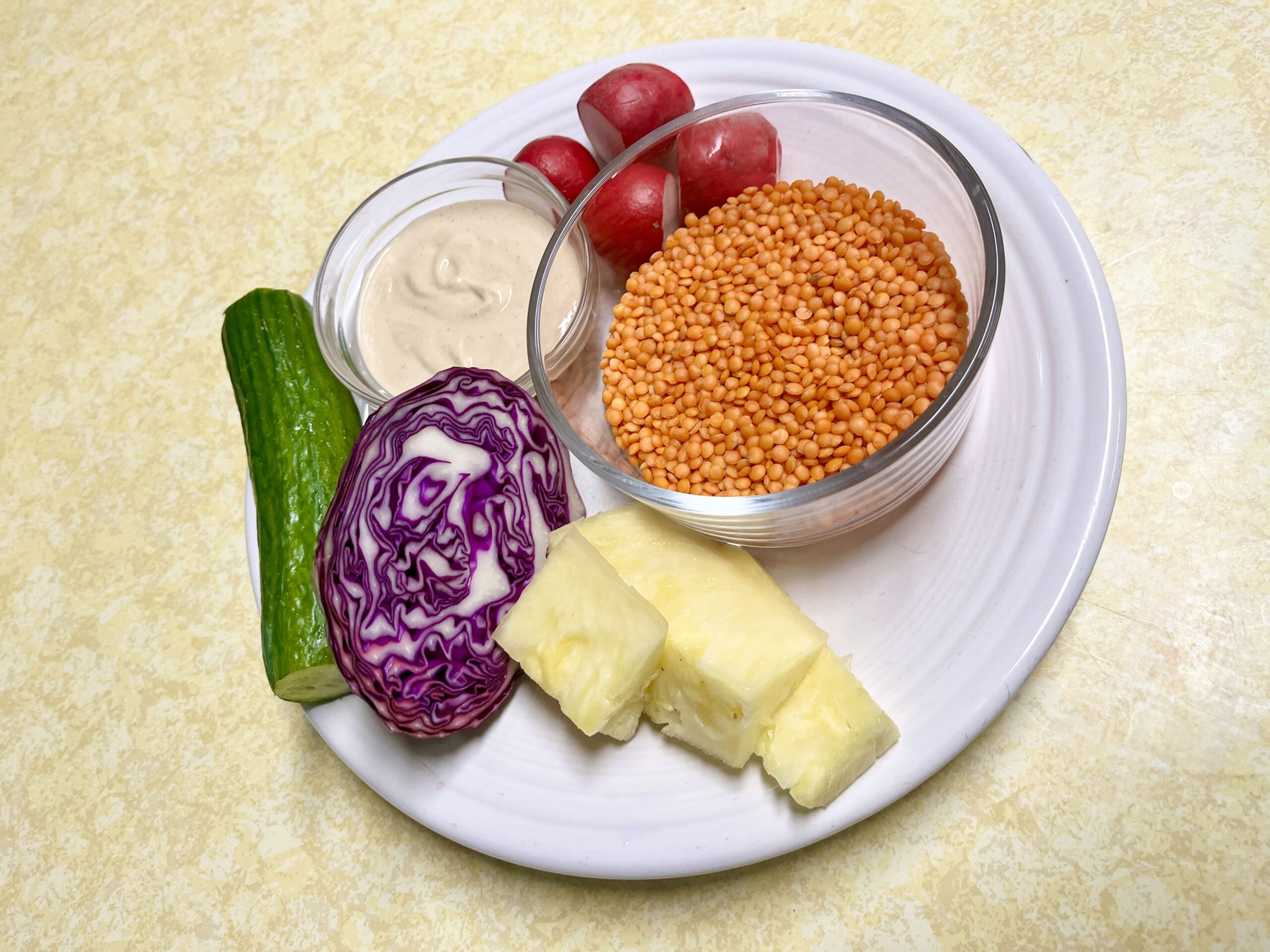
Get the full recipe with ingredients, directions, and nutrition facts below ↓
Rainbow Lentil Bowl
Ingredients
Method
- Rinse lentils with cold water.
- Bring 4 cups of water to a boil in a medium saucepan.
- Chop fresh vegetables into bite-sized pieces.
- Add washed lentils to the boiling water and cook for 5 minutes, checking frequently — lentils cook very quickly.
- While the lentils cook, whisk together the tahini, lemon juice, garlic powder, paprika, and sea salt to make the dressing.
- When lentils are tender, strain and rinse with cold water.
- Add vegetables, lentils, and dressing to a bowl and stir together.
Nutrition
Notes
Tried this recipe?
Let us know how it was!Boiling lentils significantly increases available protein by decreasing anti-nutrients like tannins and phytic acid, which can interfere with the absorption of zinc, calcium, magnesium, protein, and iron (Wang et al., 2009). Legumes are a good source of iron, but because it’s a plant-sourced type, our bodies don’t absorb it as easily — the lemon juice in this recipe’s tahini dressing adds vitamin C, which increases absorption of plant-based iron, and the citric acid helps further break down anti-nutrients (Alexander et al., 2024).
Quick Review
One serving of this recipe provides:
- 10% of daily need for B2 (riboflavin)
- 11% of daily need for phosphorus
- 12% of daily need for magnesium
- 13% of daily need for iron
- 13% of daily need for zinc
- 15% of daily need for B5 (pantothenic acid)
- 15% of daily need for vitamin K
- 17% of daily need for B6 (pyridoxine)
- 18% of daily need for fiber
- 28% of daily need for B1 (thiamine)
- 34% of daily need for B9 (folate)
- 36% of daily need for manganese
- 39% of daily need for copper
- 45% of daily need for vitamin C
(Cronometer Software Inc., 2026)
Just sit back, relax, and savor each bite as this rainbow lentil bowl works its magic — providing your body with the essential vitamins and minerals it needs to flourish.
Next up in the series…
Fat and flavor collide with nutrition!
Tell me in the comments: which vegetables will you choose for your next protein bowl?
References available on request — cites Alexander et al. (2024), Cronometer Software Inc. (2026), Didinger & Thompson (2021), Ganesan & Xu (2017), Preserve the Harvest (n.d.), The Nutrition Source (n.d.), and Wang et al. (2009).
Leave a Reply