Elevate the flavor of your vegetables, meat, or noodles with this macadamia nut-based dressing. Prepare it in advance and store it in the fridge for easy access — it adds a decadent, creamy heat to any meal. Let’s dive into the world of healthy fats this week!
What exactly makes a fat “healthy”? Should we eat it, or steer clear?
The answer isn’t as straightforward as we might hope. Fat is neither inherently good nor bad — it’s an essential part of overall health. It does have a higher caloric density per gram than carbohydrates or protein, though, which makes it easy to overeat calorically:
- 1 gram fat = 9 calories
- 1 gram carbohydrate = 4 calories
- 1 gram protein = 4 calories
Not all fats are the same. Heating and processing high-fat foods — think vegetable oils, or roasted nuts and seeds — can decrease the beneficial nutrients found in them (Stuetz et al., 2017). When choosing nuts, seeds, oils, or butters, try to pick ones that are raw with no added sugars or thickeners.
Types of Fat
Fat is an essential macronutrient the body can’t make on its own — it has to come from our diet. Two fatty acids are especially crucial and must come from food:
- Alpha-linolenic acid (ALA) — an Omega-3 fatty acid
- Linoleic acid (LA) — an Omega-6 fatty acid
(The Nutrition Source, n.d.)
The body needs fat to:
- Process vitamins A, D, E, and K
- Give the body energy
- Help regulate hormones
- Regulate growth
- Support immune function
- Help proteins function properly
(Crowley, 2024)
Benefits of plant-based fats in our diets
Nuts and seeds are packed with vitamin E, magnesium, and phytonutrients — a great way to get these nutrients without the extra saturated fat and cholesterol. These fats may help our bodies fend off environmental pollutants (Gaetke et al., 2010). In Mediterranean-diet populations with added nuts and olive oil, less cardiovascular disease was seen compared to low-fat diets, suggesting healthy amounts of whole-food fats can be protective (Estruch et al., 2018). Evidence is also linking low omega-3 intake to increases in disease (Dicklin et al., 2024).
Fun Fact: Macadamia nuts contain the highest amount of monounsaturated fat of any nut. (Gaetke et al., 2010)
Feisty Macadamia-Butter Thai Sauce
Prepare in advance and have it ready to enhance your next dish of vegetables or protein — the flavor intensifies over time.
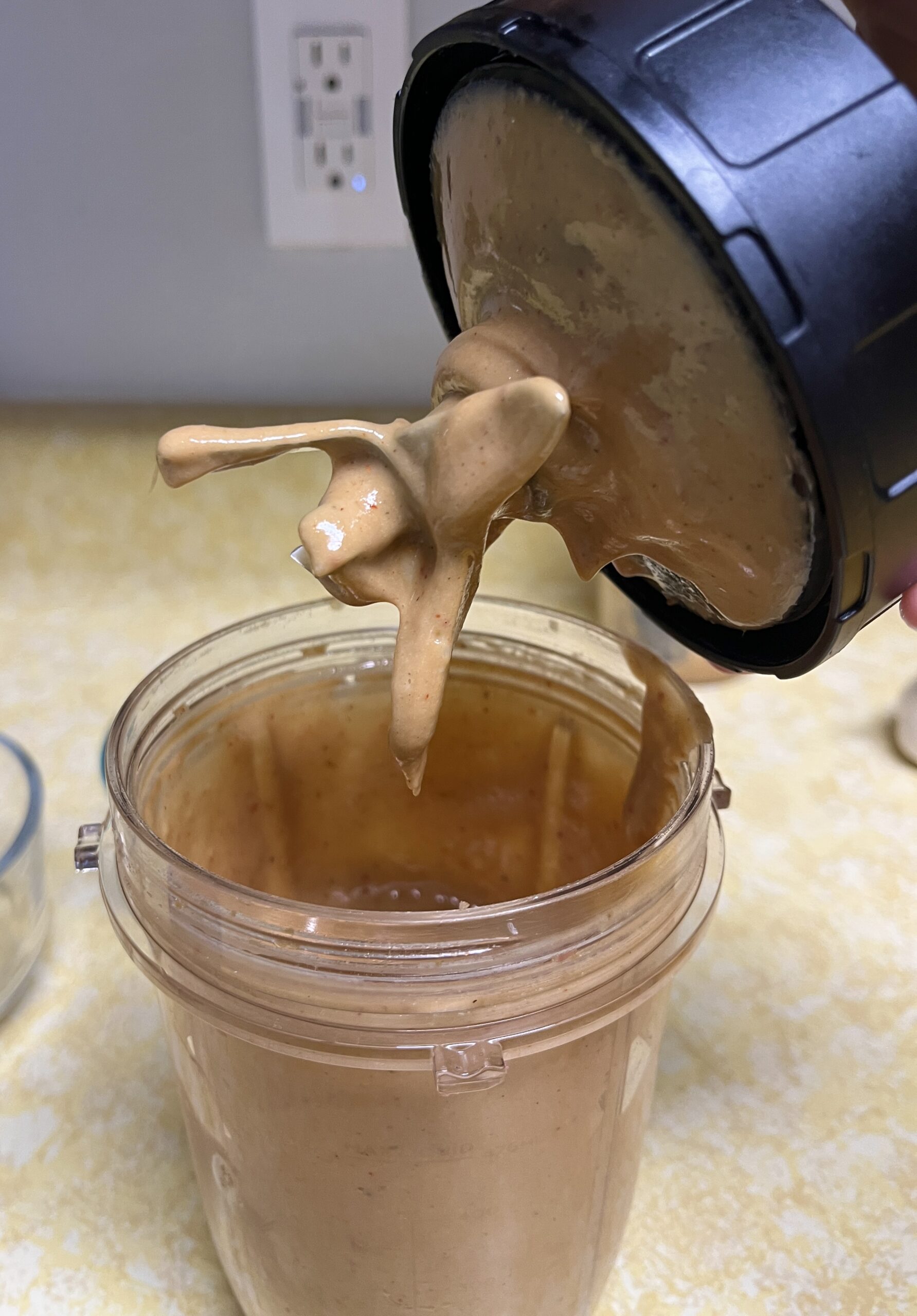
Get the full recipe with ingredients, directions, and nutrition facts below ↓
Feisty Macadamia-Butter Thai Sauce
Ingredients
Method
- Blend all ingredients together until smooth. The flavor should be potent — it’ll be diluted once added to your final dish.
- Keep in the refrigerator until needed.
- Add a few tablespoons to your stir-fry, lentils, or noodles.
- Keeps in the refrigerator for several weeks.
Nutrition
Notes
Tried this recipe?
Let us know how it was!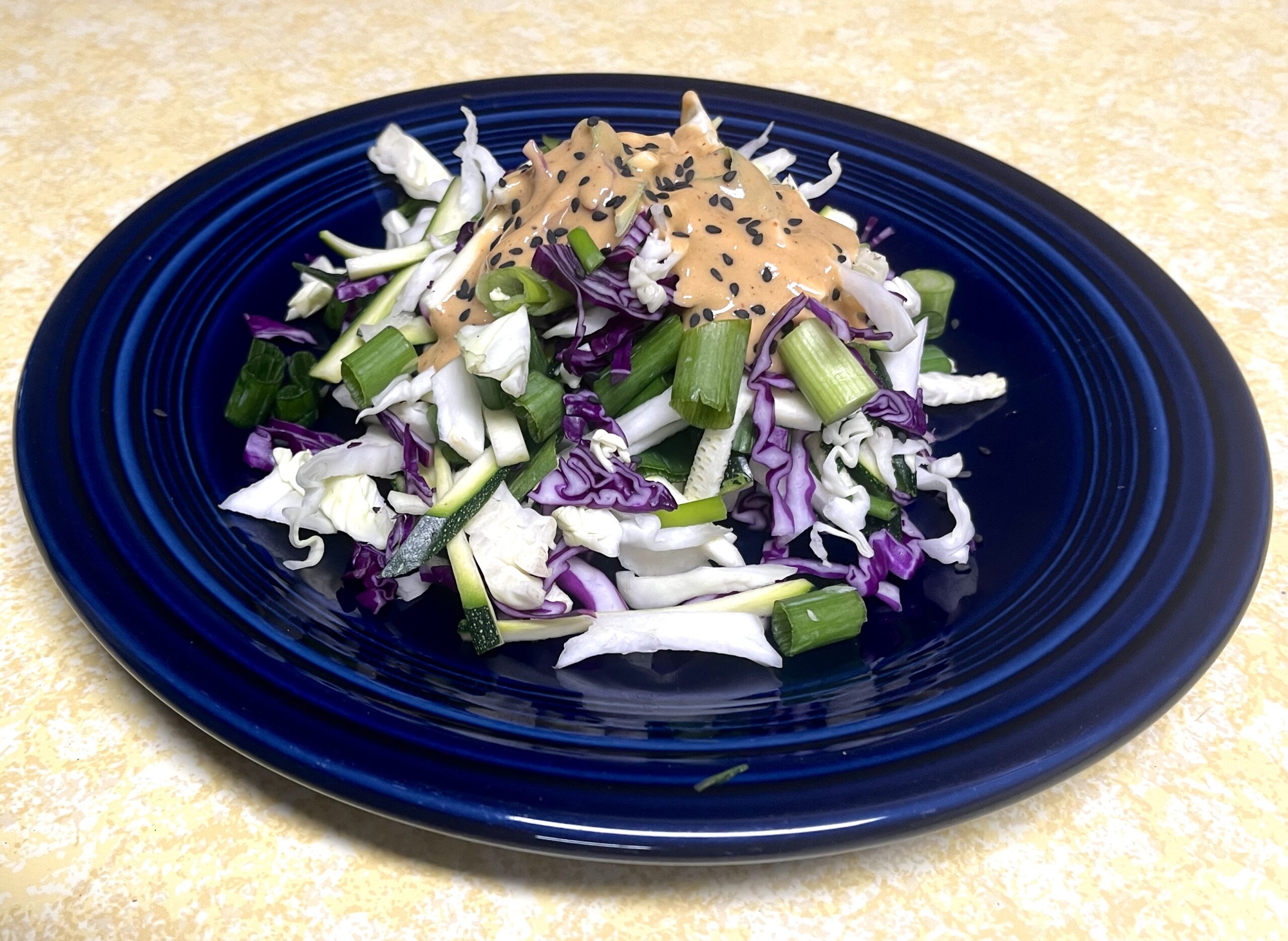
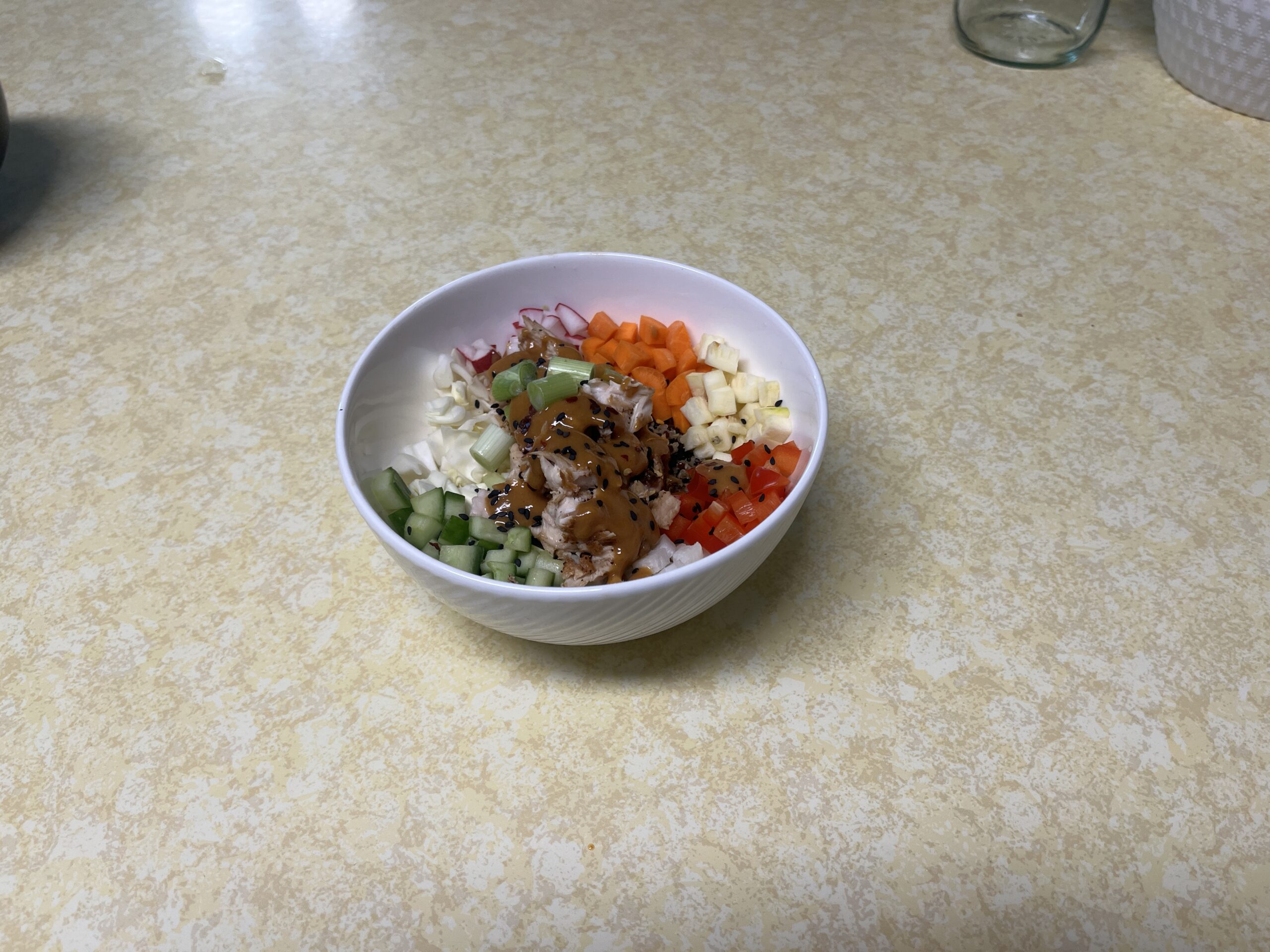
This sauce preserves its health benefits by avoiding unnecessary heating, which would degrade the beneficial vitamin E and omega-3 content while increasing oxidation (Stuetz et al., 2017). Substituting macadamia nuts for peanuts makes this recipe suitable for people with peanut allergies. Sesame oil is rich in polyunsaturated fat, while macadamia nuts are notably high in monounsaturated fat — together giving this sauce a well-rounded mix of unsaturated fats (Gaetke et al., 2010).
Quick Review
Adding just 3 tablespoons of this sauce to your meal provides:
- 2% of daily need for vitamin A
- 6% of daily need for iron
- 7% of daily need for manganese
- 8% of daily need for zinc
- 10% of daily need for fiber
- 11% of daily need for magnesium
- 14% of daily need for selenium
- 23% of daily need for vitamin E
(Cronometer Software Inc., n.d.)
This sauce is incredibly versatile and irresistible — its nutty, zesty flavor is a crowd-pleaser that can transform a plain meal into something delicious and healthy in a flash.
Next up in the series…
A roast made to impress!
What will you try this sauce on first?
References available on request — cites Cronometer Software Inc., Crowley (2024), Dicklin et al. (2024), Estruch et al. (2018), Gaetke et al. (2010), Katz (2019), Stuetz et al. (2017), and The Nutrition Source.
Leave a Reply