A simple, melt-in-your-mouth roast that truly shines — turning whole food ingredients into something truly unforgettable.
Red Meat in a Healthy Diet
Red meat has gotten a bad reputation in the media, but it supports our bodies’ health in important ways when used properly. Animal proteins are great sources of iron, provide good amounts of all B vitamins, and contain all essential amino acids, making them a readily available protein (Glosz, 2022). Naturally high in saturated fat and calorie-dense, we do need to pay attention to how much we consume — similar to plant fats, it’s easy to eat too many calories. If eating red meat, prioritize whole, unprocessed sources and keep it to less than 15% of your total daily caloric intake.
Unprocessed red meat, dark chocolate, and full-fat dairy have been identified as high-saturated-fat foods that don’t increase the risk of metabolic or cardiovascular disease (Astrup et al., 2020). People who consumed an average of 36 grams of red meat a day, versus little to none, saw increases in fat, potassium, zinc, B3, B6, and B12 intake, and decreases in sugar and carbohydrate intake — with no negative changes in blood pressure, cholesterol, or triglycerides (Kehoe et al., 2023).
Benefits to Sheep
Lamb contains less fat than beef but has higher amounts of essential omega-3 fatty acids (Daugherty, n.d.). It’s higher in all essential amino acids than most cuts of beef, making it a better overall protein source (Glosz, 2022). From a sustainability standpoint, sheep produce less than half the greenhouse gas emissions of cattle (Ritchie, 2020). Sheep are primarily pasture-raised and almost exclusively grass-fed, which leads to higher nutritional quality meat, better land use, and more ethical treatment of the animals overall (Daugherty, n.d.).
Fun Fact: Despite being a red meat, lamb is rich in omega-3 fatty acids and conjugated linoleic acids, believed to reduce the risk of diabetes and inflammation. (Caballero et al., 2016)
Moroccan Lamb Roast
This Moroccan-spiced lamb roast features bold flavors of cumin, paprika, and cinnamon, with a bold sweetness from the onion.
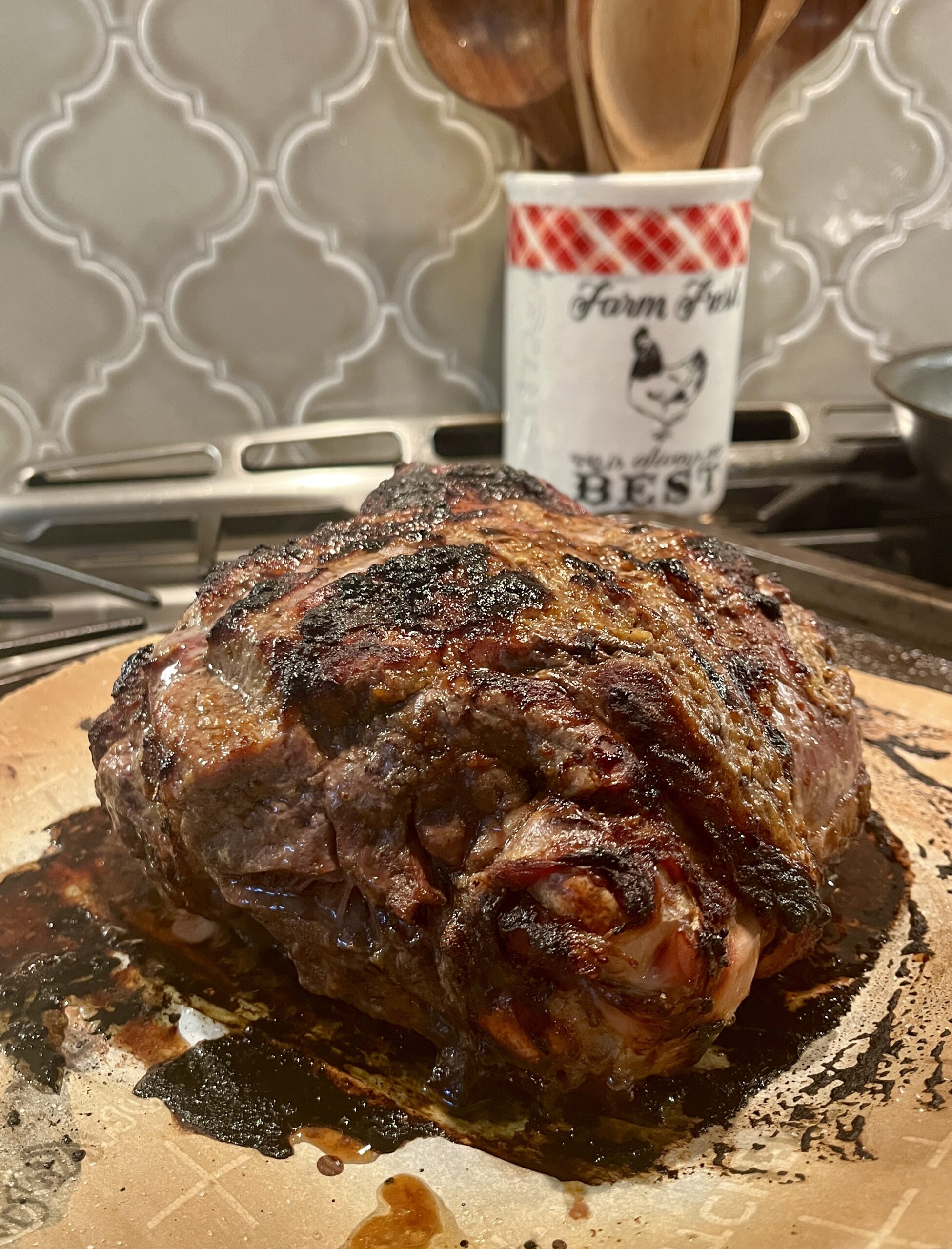
Get the full recipe with ingredients, directions, and nutrition facts below ↓
Moroccan Lamb Roast
Ingredients
Method
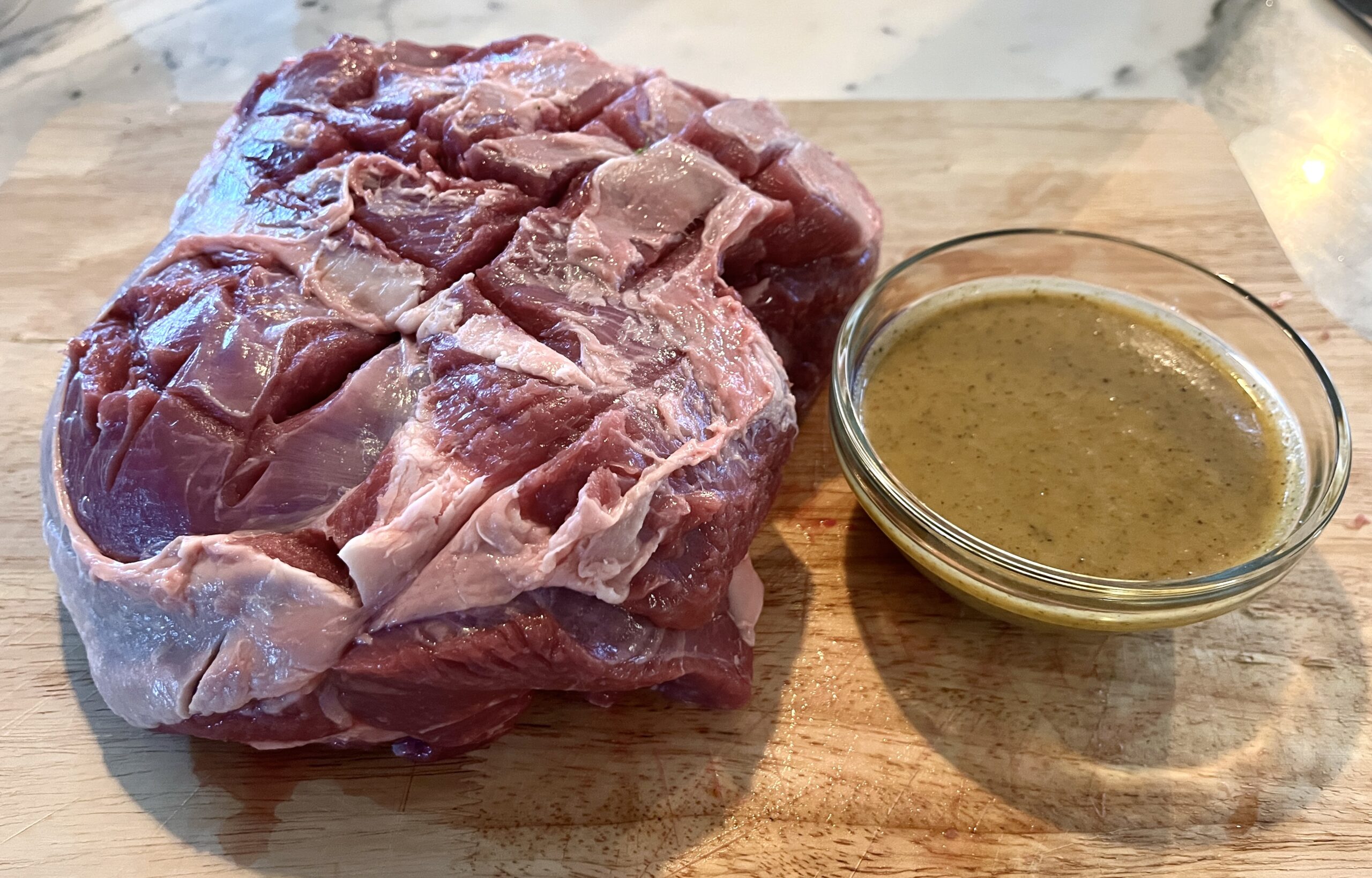
- Blend the marinade ingredients (onion, garlic, ginger, lemon juice, olive oil, rosemary, thyme, salt, pepper, Ras El Hanout) until smooth, about 20 minutes.
- Coat the lamb roast in the marinade. Let it rest and marinate for 1-2 hours, coming up to room temperature before roasting.
- Roast at 450°F for 30 minutes, then broil on high for 5 minutes to brown, for medium-rare. For good leftovers, bake until the outer third of the meat reaches 135°F, then rest, covered, for 10 minutes — the middle stays rare, so it reheats well without overcooking.
- Alternatively, bake low and slow until fall-apart tender — great shredded for tacos or gyros.
Nutrition
Notes
Tried this recipe?
Let us know how it was!Cooking a roast to the right doneness is all about temperature, not just time — for an exact time/temp reference by cut and doneness, see the American Lamb Time & Temperature Guide.
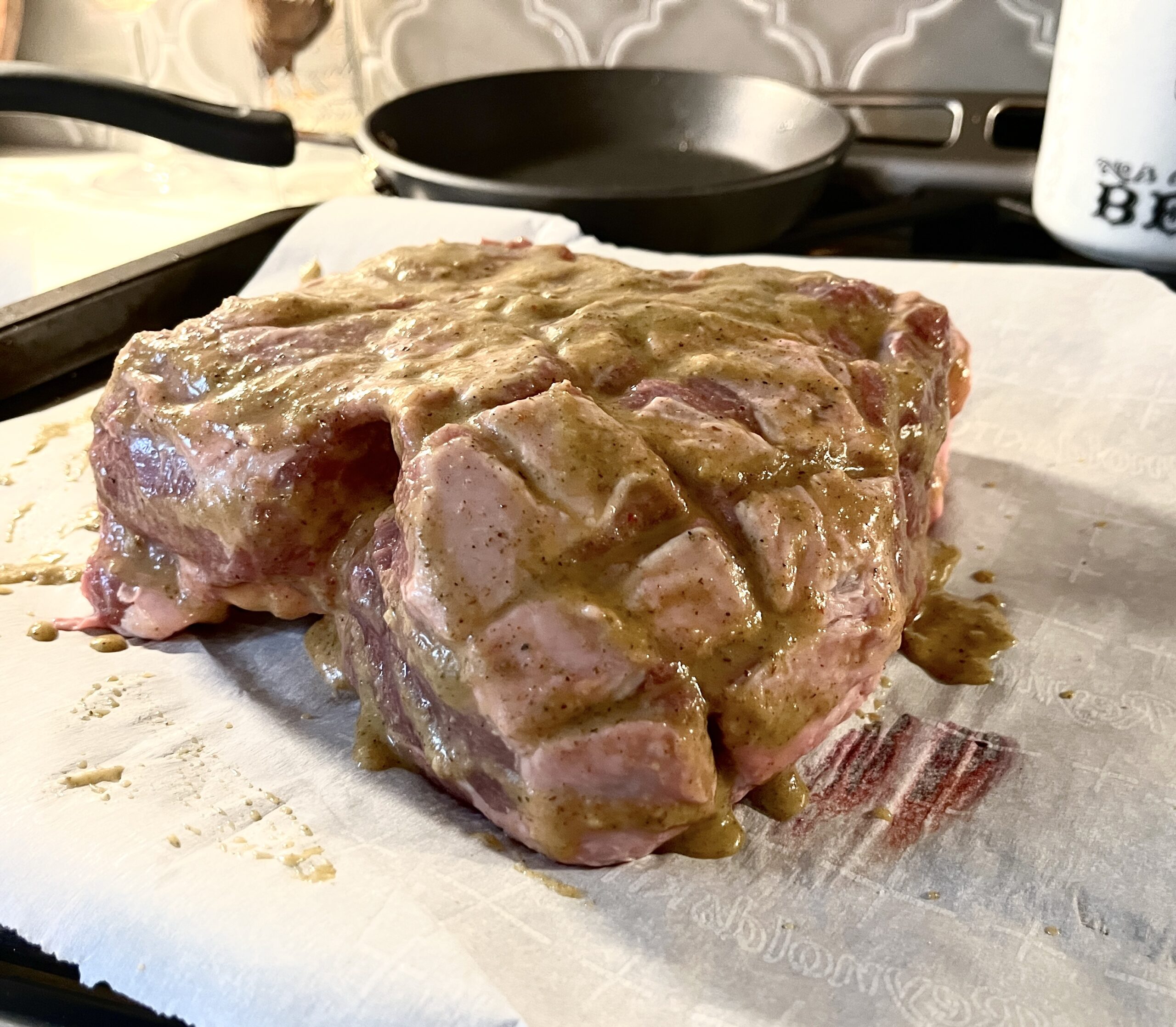
Lemon and onion contain proteolytic enzymes that break down and loosen tough fibers, tenderizing the meat and helping it retain more moisture (Latoch et al., 2023). If you prefer medium-rare lamb and want leftovers, bake until the outer third of the meat reaches 135°F, then let it rest, covered, for 10 minutes — the middle will stay rare, so it reheats well another day without overcooking. This marinade also works well for a slow-baked, fall-apart roast that shreds beautifully for tacos or gyros.
Quick Review
Eating 2 slices of lamb provides:
- 13% of daily need for copper
- 14% of daily need for phosphorus
- 15% of daily need for B2
- 16% of daily need for choline
- 33% of daily need for B3
- 35% of daily need for zinc
- 42% of daily need for selenium
- 77% of daily need for B12
(Cronometer Software Inc., n.d.)
This tender, juicy roast is sure to make everyone want seconds — a wonderful dinner centerpiece with the rustic charm of warm spices.
Next up in the series…
Just Beet It!
A whole-food snack that travels well and doesn’t need an ice pack, plus the first stop in a new mini-series digging into why each color of vegetable does something a little different for your body. What’s your favorite way to snack on the go?
References available on request — cites American Lamb Time & Temperature Guide, Astrup et al. (2020), Caballero et al. (2016), Cronometer Software Inc., Daugherty, Glosz (2022), Kehoe et al. (2023), Latoch et al. (2023), and Ritchie (2020).
Leave a Reply